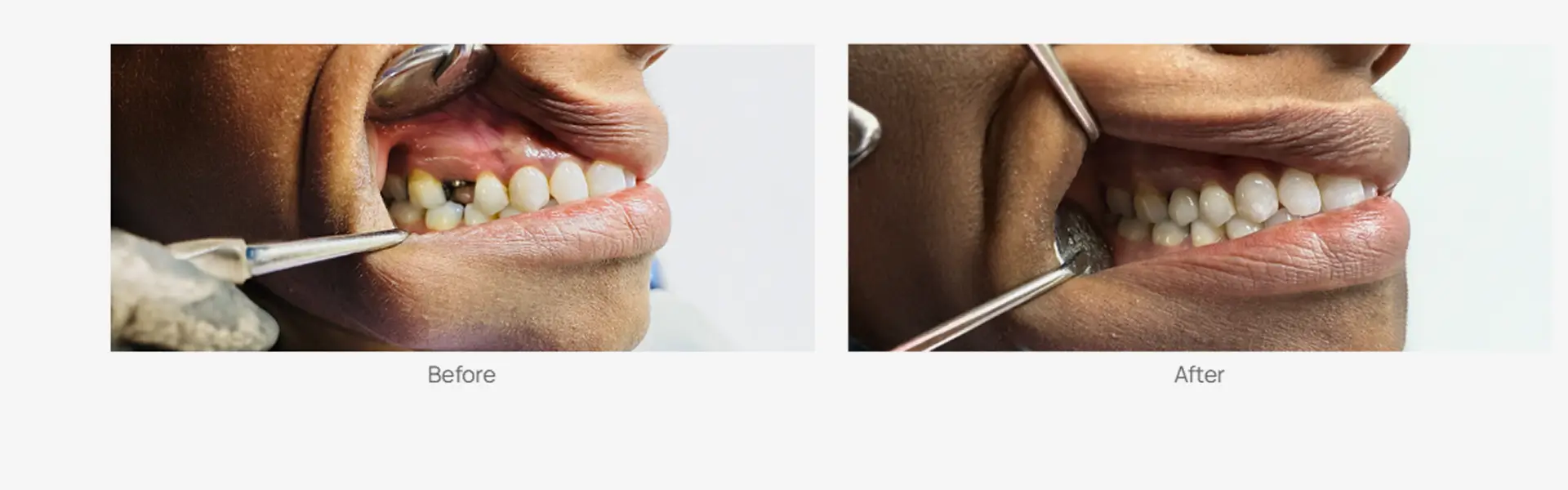
A tooth that is cracked, damaged, or significantly decayed can cause discomfort when chewing and might need treatment beyond just a filling. When significant tooth structure is missing, a core build-up may be needed before placing a dental crown.
At Magnolia Dentistry, we offer a $799 Build-Up & Crown Special for patients considering dental crowns in Garland, TX. The offer includes a core build-up, a custom dental crown, and crown placement. We will examine your tooth to determine whether this treatment is appropriate.
Contact our Garland dental office to schedule a consultation and ask about the special.
Dental Crown Treatment in Garland, TX
A dental crown covers a prepared tooth to restore its shape and chewing function. It may be recommended for teeth with extensive decay, fractures, large fillings, significant wear, or following root canal treatment.
If too much tooth structure is missing, a core build-up may be needed to support the crown. Treatment relies on the condition of the tooth and surrounding tissues.
What Is a Build-Up and Crown?
A build-up and crown involve two restorative procedures that work together to repair a damaged tooth.
 Core Build-Up
 Core Build-Up
A core build-up replaces portions of a tooth lost to decay, fracture, or previous dental treatment. Restorative material is placed to create a suitable foundation for a crown when enough healthy tooth structure remains.
- Dental Crown
A dental crown covers the prepared tooth to restore its shape, size, and chewing surface. It can also improve the appearance of a tooth affected by certain types of damage or discoloration. Together, these procedures may help restore a tooth that cannot be adequately repaired with a filling alone.
What’s Included in the $799 Build-Up & Crown Special?
Our $799 special includes:

Core build-up
Restorative material used to replace missing tooth structure and support the crown.
Custom dental crown
A restoration made to fit the prepared tooth.
Crown placement
Fitting, adjusting, and securing the completed crown.
The advertised price applies to the included procedures, subject to treatment suitability and offer eligibility.
Important: Dental examinations, X-rays, root canal treatment, and other necessary procedures may involve separate charges. Gold crowns require an additional material fee.
Contact our office to confirm the current offer terms and applicable crown materials before beginning treatment.
How Much Does a Dental Crown Cost?
Dental crown cost varies depending on the tooth’s condition, crown material, and additional care needed.
Our $799 special covers the core build-up, custom crown, and placement for eligible treatment.
However, the total cost may differ if other procedures are necessary.
Factors that may affect treatment expenses include:
- Tooth condition: Extensive decay or fractures may require additional care.
- Crown material: Materials have different properties and associated costs.
- Additional procedures: Examinations, X-rays, or root canal treatment may be charged separately.
- Insurance coverage: Benefits depend on your policy, deductibles, annual limits, and applicable restrictions.
We accept PPO dental insurance plans. Coverage for crowns and related procedures depends on your individual policy and does not guarantee payment for the special.
We can explain the recommended treatment and expected charges before you proceed.
Our Dental Crown Options
Different crown materials offer different advantages. The appropriate choice depends on the tooth's location, appearance, and chewing forces.
- Zirconia Crowns
Zirconia is a strong, tooth-colored ceramic material. It may be recommended for teeth exposed to substantial chewing forces, depending on the patient's bite and restorative needs.
- Porcelain Crowns
Porcelain crowns can be made to resemble the color and appearance of natural teeth. They may be suitable for restoring visible teeth where appearance is an important consideration.
- Gold Crowns
Gold and other metal-alloy crowns are durable and resistant to fracture. They may be considered for certain back teeth where appearance is less important.
Gold crowns involve an additional material fee under the advertised special.
We will discuss the available materials and recommend an option based on your dental needs.

Who May Need a Dental Build-Up and Crown?
Common reasons include:
- Extensive decay : Large cavities may leave insufficient structure for a conventional filling.
- Fractured teeth : Certain cracks or breaks can weaken a tooth and affect chewing.
- Large existing fillings : Previous restorations may leave limited natural tooth structure.
- Root canal-treated teeth : Some teeth need additional protection after treatment.
- Severe tooth wear : Advanced wear may affect the tooth's shape and function.
A dental examination helps determine whether the tooth can be restored. If the damage extends too far below the gumline or affects the roots, another treatment may be necessary.
What Happens During Dental Crown Treatment?
We examine the affected tooth and surrounding gums. X-rays may be suggested to assess the roots and identify underlying concerns.
We then discuss the recommended treatment, expected costs, and any additional procedures that may be needed.
Local anesthesia is typically used to manage discomfort.
The dentist removes decay or compromised restorative material as needed. If a build-up is necessary, restorative material is placed to replace missing tooth structure.
The tooth is then prepared for the crown.
Impressions or digital scans are taken to record the prepared tooth and surrounding teeth.
These records are used to create the custom crown. A temporary or short-term crown may be placed while the final restoration is being made, depending on the fabrication method.
We check the completed crown's fit, appearance, and bite before securing it in place.
Some temporary sensitivity or gum soreness may occur afterward. Contact our office if you experience persistent pain, swelling, or difficulty biting.
How to Care for Your Dental Crown
To maintain your restoration:
These habits can help maintain the restoration and reduce the risk of decay around its edges.
Choosing Dental Crown Care in Garland
If you are searching for dental crowns near me, our Garland dental office provides restorative care based on your oral health needs.
We examine the affected tooth, explain the available options, and discuss the recommended procedure before treatment. Our team also reviews the expected costs and answers your questions.
Learn more about our dental crown treatment and restorative dental care to understand your options for repairing damaged teeth.

Ask About the $799 Build-Up & Crown Special
If you have a cracked, broken, or severely decayed tooth, an examination can help determine whether a build-up and crown are appropriate.
Our Garland dental team can assess your tooth, explain the recommended care, and discuss the $799 special.
Explore our new patient specials or contact our office for more information.
Call our office or request an appointment online to schedule your consultation.