Special Offers New Patient Special – $59 Free Second Opinion Comprehensive Exam – $99 Crown Special – $799 Deep Cleaning (SRP) – $499 Clear Aligners – $2999

We Accept All PPO Insurances
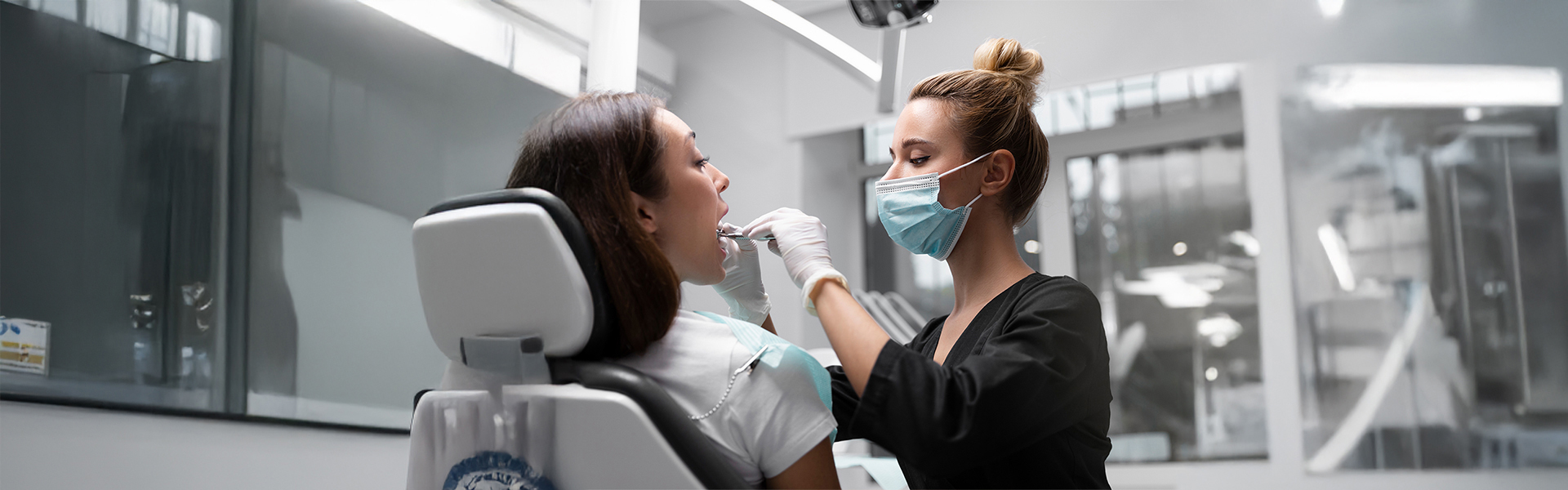
What to Do If You Break or Chip a Tooth
Breaking or chipping a tooth can happen unexpectedly and often causes immediate concern. Whether it occurs during a meal, a sports activity, or an accident, knowing how to respond can create a meaningful difference in protecting your oral health. Patients seeking help from a dentist near you often feel unsure about what steps to take right away. This guide is designed to provide clear education on how to manage a damaged tooth safely and when professional care is needed.
Introduction to Broken or Chipped Teeth
A chipped tooth involves minor damage to the enamel, while a broken tooth may affect deeper layers such as dentin or the tooth’s inner structure. Both situations require attention, but the urgency and treatment approach can vary. Acting promptly helps reduce discomfort and prevent further complications.
Common Causes of Tooth Damage
Teeth are strong, but they are not indestructible. Damage can occur due to everyday activities or sudden impact.
Common causes include:
- Biting down on hard foods or objects
- Accidents or falls
- Sports injuries
- Teeth grinding or clenching
- Untreated cavities that weaken tooth structure
Understanding the cause can help guide both treatment and prevention.
Immediate Steps to Take After Chipping or Breaking a Tooth
Taking the right steps immediately after damage occurs can protect the tooth and surrounding tissues.
Helpful actions include:
- Rinsing the mouth gently with warm water
- Saving any broken tooth fragments if possible
- Avoiding chewing on the affected side
- Applying a cold compress to reduce swelling
If bleeding occurs, gentle pressure with clean gauze can help control it.
Managing Pain and Discomfort at Home
Pain levels can vary relying on the severity of the damage. Mild discomfort may be managed temporarily at home.
Short-term relief measures include:
- Using over-the-counter pain relievers as directed
- Avoiding very hot or cold foods
- Keeping the area clean
Home care should only be considered temporary until a professional evaluation is available.
When to See a Dentist for a Broken Tooth
Any chipped or broken tooth should be evaluated by a dental professional. Even small chips can expose enamel weaknesses that worsen over time.
You should seek prompt care if:
- Pain increases or persists
- The tooth feels sharp or rough
- Swelling or sensitivity develops
Patients may be referred to emergency dentistry in Garland, TX when damage involves pain, bleeding, or risk of infection.
Treatment Options for Chipped Teeth
Minor chips often have straightforward treatment options focused on restoring appearance and comfort.
These may include:
- Smoothing rough edges
- Cosmetic bonding
- Minor restorations
Treatment selection depends on the size and location of the chip.
Treatment Options for Broken or Fractured Teeth
More significant breaks require additional care to protect the tooth and surrounding tissues.
Possible treatments include:
- Dental crowns
- Onlays or inlays
- Root canal therapy is required if the inner pulp is affected
A thorough exam helps determine the safest and most effective approach.
Immediate Steps to Take After a Tooth Is Fully Dislodged
If you knock out a tooth, act quickly. Hold the tooth by the crown, not the root, to keep it safe. If you can, rinse it gently without scrubbing. You can either try to put it back in the socket or keep it in milk.
Prompt care from a dental office in Garland, TX, increases the chance of saving the tooth.
Temporary Fixes vs. Professional Treatment
Temporary dental repair kits may provide short-term protection, but they do not replace professional care. These products can help cover sharp edges briefly, but should not delay a dental visit.
Professional treatment ensures proper cleaning, restoration, and long-term protection.
Preventing Further Damage Before Your Dental Visit
Before seeing a dentist, protecting the damaged tooth helps prevent worsening.
Precautions include:
- Avoiding hard or sticky foods
- Keeping the area clean
- Using dental wax if sharp edges irritate soft tissue
These steps reduce discomfort while awaiting treatment.
Long-Term Solutions to Restore Tooth Function and Appearance
Restorative dentistry focuses on both function and appearance. Treatment plans are tailored to the extent of damage and the patient’s oral health needs.
Long-term care may involve restorations designed to strengthen the tooth and blend naturally with the surrounding smile.
How to Prevent Chipped or Broken Teeth in the Future
Prevention plays a key role in bringing down the risk of future damage.
Helpful habits include:
- Wearing a mouthguard during sports
- Avoiding chewing on hard objects
- Managing teeth grinding
- Maintaining regular dental visits
These steps support strong, healthy teeth.
Act Quickly to Protect Your Smile
Prompt action after chipping or breaking a tooth can help preserve oral health and reduce complications. Knowing what to do and when to seek care supports better outcomes and peace of mind. At Magnolia Dentistry, patient education and timely care are priorities, with guidance provided by Dr. Nazanin Abolhasani to help patients protect their smiles and long-term dental health.
Promotion Plans
Start Your Smile Transformation in Garland, TX Today
Looking for a trusted dentist in Garland, TX? At Magnolia Dentistry, we provide personalized dental care solutions focused on comfort, precision, and long-term oral health for every patient.
Why Choose Us:
- Experienced and friendly dental team
- Same-day appointments available for your convenience
- Same-day emergency dental care when you need it most
- Saturday appointments available (call to confirm availability)
- Advanced technology for precise, comfortable treatment

New Patient Offer
Insurance and Financing


